


Early dental care plays a critical role in your child’s overall health. At Gallatin Valley Pediatric Dentistry, we often see cases of early tooth decay that could have been prevented with timely intervention.
Understanding the signs of tooth decay, knowing what to look for, and learning how to stop tooth decay can make all the difference in protecting your child’s smile.
Children’s Tooth Decay
Tooth decay is one of the most common chronic conditions affecting kids. While many parents assume cavities only develop later, tooth decay in preschoolers is increasingly common. Recognizing early tooth decay allows for quicker treatment and helps prevent long-term dental issues.
What Does Tooth Decay Look Like? Key Signs of Tooth Decay
Parents often ask, what does tooth decay look like in its earliest form? The answer can vary depending on the stages of tooth decay, but there are several consistent indicators.
Early Signs of Tooth Decay to Watch For
The earliest symptoms of tooth decay are often subtle. You may notice:
- White spots on the teeth (a sign of enamel weakening)
- Sensitivity to hot or cold foods
- Mild discoloration
These are common signs of tooth decay during the beginning stages of tooth decay. At this point, intervention is simple and highly effective.
Advanced Symptoms of Tooth Decay
As decay progresses, the symptoms of tooth decay become more noticeable:
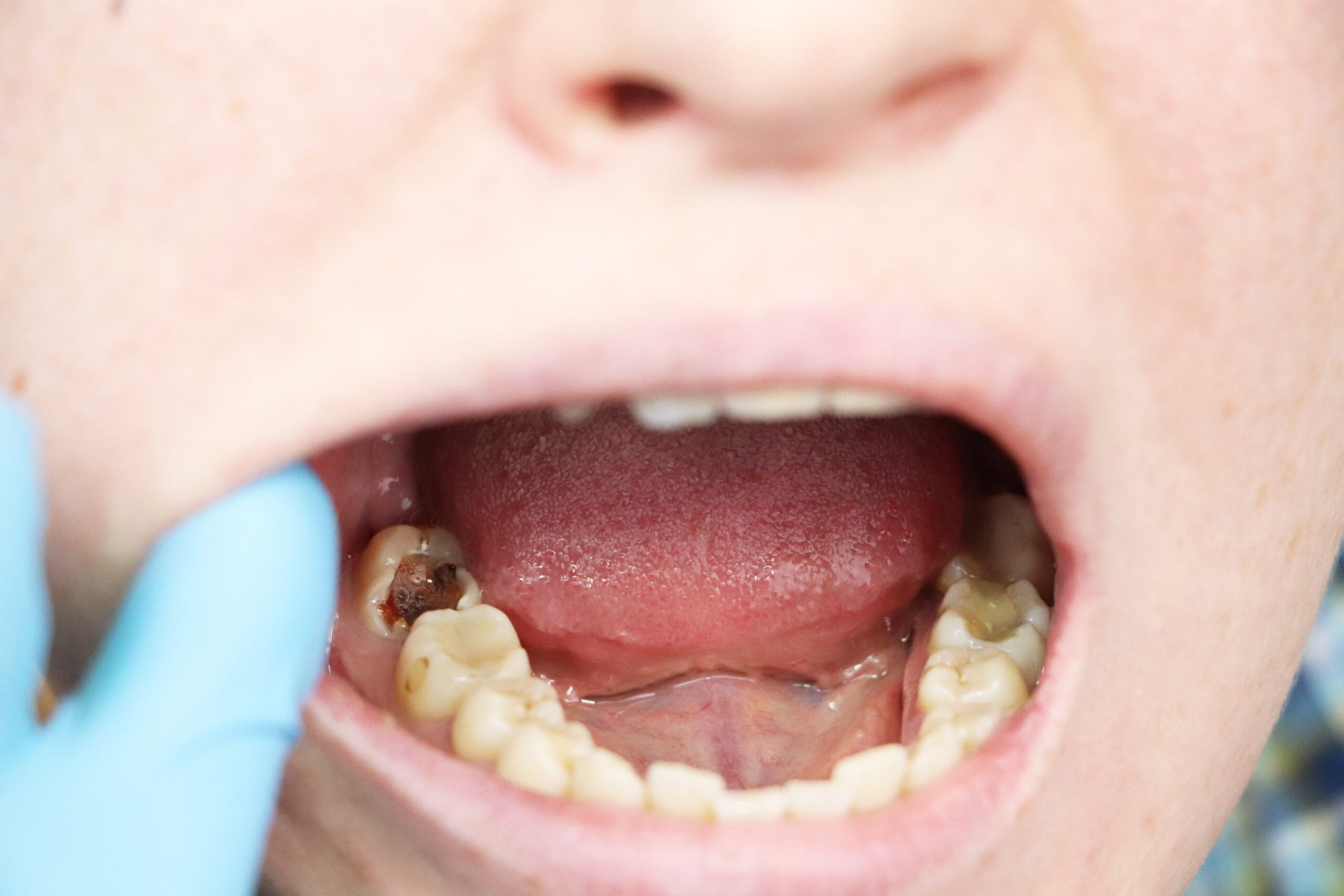
- Brown or black spots on a decaying tooth
- Visible holes or pits
- Pain when chewing
Understanding what does tooth decay look like in these later phases helps parents seek care before the issue worsens.
Stages of Tooth Decay: From Early to Advanced
To fully understand early tooth decay, it’s helpful to break down the stages of tooth decay.
Beginning Stages of Tooth Decay
The beginning stages of tooth decay start with enamel demineralization. This is when acids from bacteria begin to wear down the tooth’s surface. At this stage, the damage is reversible with proper care, including fluoride treatment for tooth decay.
Progression to a Decaying Tooth
If untreated, early damage progresses through the deeper layers of the tooth. A decaying tooth may develop cavities that require fillings or more advanced treatment. Recognizing the stages of tooth decay early can help avoid invasive procedures.
Tooth Decay in Preschoolers: Why It Happens
Tooth decay in preschoolers often develops due to a combination of dietary habits and oral hygiene challenges. Young children may consume sugary snacks or drinks frequently, which fuels bacteria that cause early tooth decay.
Additionally, many preschoolers are still learning proper brushing techniques. Without parental assistance, plaque can build up quickly, leading to symptoms of tooth decay.
Common Risk Factors for Tooth Decay in Preschoolers
- Frequent snacking on sugary foods
- Drinking juice or milk before bedtime
- Inconsistent brushing routines
- Limited exposure to fluoride
Understanding these risks helps parents take proactive steps to prevent tooth decay in preschoolers.
How to Stop Tooth Decay Before It Gets Worse
One of the most important questions parents ask is how to stop tooth decay once it begins. The good news is that early intervention can reverse damage in many cases.
Preventive Steps to Stop Early Tooth Decay
To stop early tooth decay, consider the following:
- Brush twice daily with fluoride toothpaste
- Limit sugary snacks and drinks
- Schedule regular dental checkups
- Encourage proper flossing habits
These steps are especially important during the beginning stages of tooth decay, when damage is still reversible.
Fluoride Treatment for Tooth Decay: How It Helps
Dentists may recommend fluoride treatment for tooth decay to strengthen enamel and halt progression. This is one of the most effective ways of addressing early tooth decay and preventing a decaying tooth from worsening.
Fluoride treatment for tooth decay is a safe and proven method to protect children’s teeth. It works by remineralizing weakened enamel and making teeth more resistant to acid attacks.
When Is Fluoride Treatment Recommended?
Dentists often suggest fluoride treatment for tooth decay when:
- Early white spots appear on teeth
- A child is at high risk for cavities
- There are clear signs of tooth decay
This treatment is particularly effective during the stages of tooth decay before cavities fully form.
Dental Sealants for Preventing Early Tooth Decay
Dental sealants are another highly effective way to protect your child’s teeth from early tooth decay, especially during the cavity-prone years. These thin, protective coatings are applied to the chewing surfaces of back teeth, where food particles and bacteria are most likely to accumulate.
How Dental Sealants Help Stop Tooth Decay
Sealants act as a barrier, preventing plaque and acids from settling into the deep grooves of teeth. This is particularly helpful in the beginning stages of tooth decay, when damage may not yet be visible. By sealing off vulnerable areas, dentists can significantly reduce the risk of a decaying tooth developing.
For parents wondering how to stop tooth decay, sealants are one of the simplest and most effective preventive solutions available.
When Are Sealants Recommended?
Dental sealants are typically recommended as soon as permanent molars come in, but they can also benefit younger children at risk for tooth decay in preschoolers. If your child is already showing signs of tooth decay or early symptoms of tooth decay, sealants may be used alongside other treatments like fluoride treatment for tooth decay to provide added protection.
Recognizing a Decaying Tooth Early
A decaying tooth doesn’t always cause immediate pain, which is why early detection is so important. Paying attention to symptoms of tooth decay and scheduling routine exams can help identify issues before they become serious.
Signs a Tooth May Be Decaying
Look for:
- Persistent discoloration
- Rough or uneven tooth surfaces
- Complaints of sensitivity
These are clear signs of tooth decay and should be evaluated by a pediatric dentist as soon as possible.
What Parents Can Do Next
If you suspect early tooth decay, don’t wait. Early action is the best way to avoid complications. Understanding what does tooth decay look like and recognizing the stages of tooth decay empowers parents to act quickly.
At Gallatin Valley Pediatric Dentistry, we specialize in diagnosing and treating tooth decay in preschoolers and young children. Whether your child is showing early symptoms of tooth decay or you simply want guidance on how to stop tooth decay, our team is here to help.
Final Thoughts on Early Tooth Decay
Early tooth decay is common, but it’s also highly preventable. By learning the signs of tooth decay, understanding the beginning stages of tooth decay, and using tools like fluoride treatment for tooth decay, parents can protect their child’s smile for years to come.
If you’re concerned about a decaying tooth or want expert advice on prevention, scheduling a visit with a pediatric dentist is the best next step.