


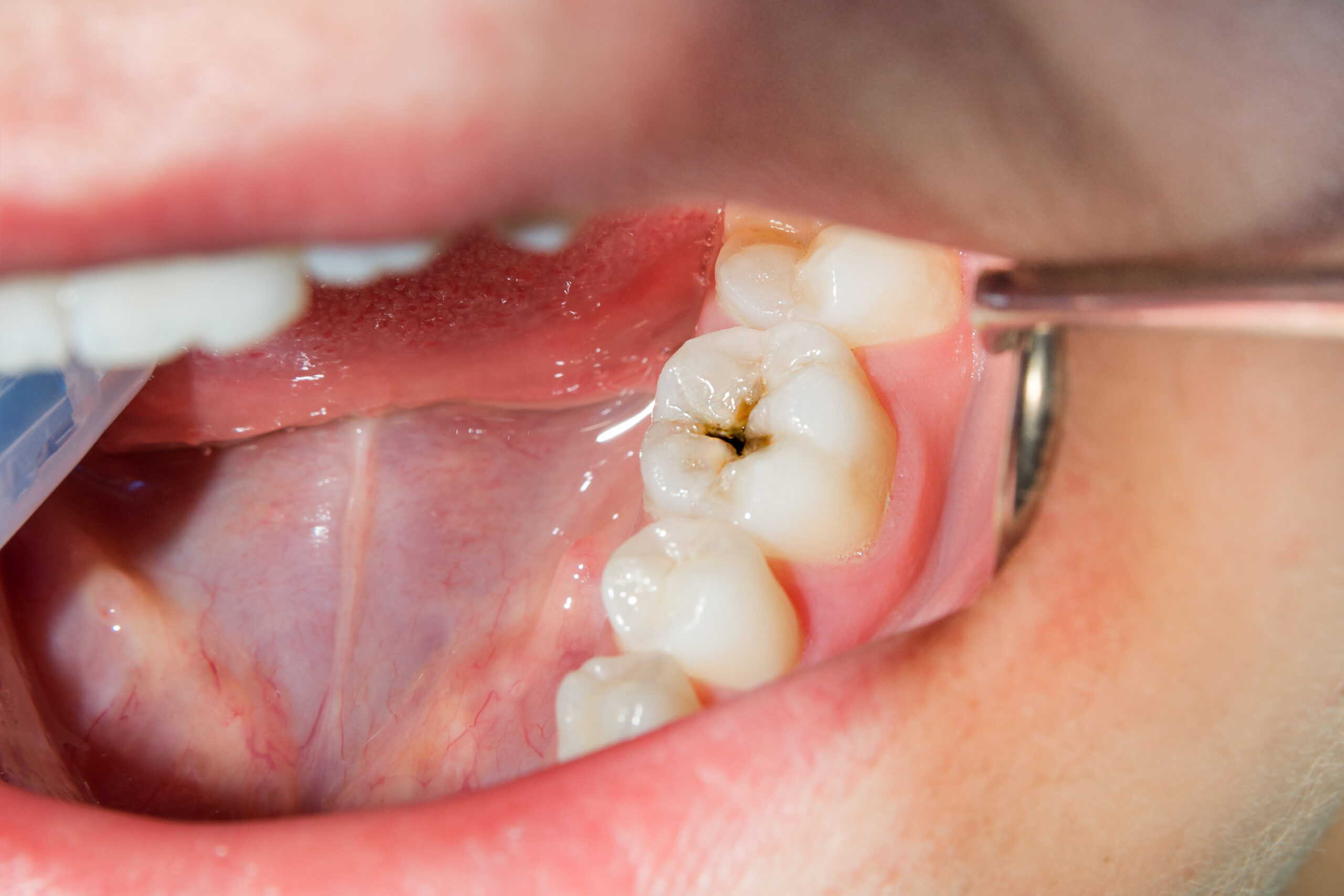
Dental caries, commonly known as cavities, are one of the most widespread oral health issues affecting children and adults alike.
At Gallatin Valley Pediatric Dentistry, we believe that understanding the definition of dental caries, recognizing early warning signs, and practicing preventive care can make a lasting difference in your child’s oral health. This guide answers the question, “What are dental caries?” while outlining key caries symptoms, explaining the different caries stages, and sharing practical prevention tips.
What Are Dental Caries?
Before diving into symptoms and prevention, it’s important to understand what are dental caries and how they develop.
Dental Caries Definition
The definition of dental caries refers to the progressive breakdown of tooth enamel caused by acid-producing bacteria. These bacteria feed on sugars and carbohydrates left on teeth, producing acids that gradually erode the enamel. Over time, this leads to caries in the teeth, forming cavities that can worsen if left untreated.
A simple caries definition is tooth decay resulting from bacterial activity. While this may sound straightforward, the process is complex and influenced by diet, oral hygiene, and overall health.
Children are especially vulnerable to dental caries due to developing teeth and dietary habits that often include sugary snacks and drinks. That’s why early education and preventive care are essential.
Common Caries Symptoms Parents Should Watch For
Recognizing early caries symptoms can help prevent minor issues from becoming serious dental problems. Unfortunately, caries in the teeth often develop silently, especially in the early stages.
Some of the most common caries symptoms include:
- White spots on the teeth (early enamel damage)
- Tooth sensitivity to hot, cold, or sweet foods
- Visible holes or pits in the teeth
- Toothache or discomfort when chewing
- Dark staining on tooth surfaces
As dental caries progress, symptoms become more noticeable and painful. In advanced cases, infection may develop, leading to swelling or abscesses.
Parents should keep in mind that children may not always communicate discomfort clearly. Regular dental checkups at Gallatin Valley Pediatric Dentistry help detect caries in the teeth before symptoms worsen.
Caries Stages: How Dental Caries Progress Over Time
Understanding the different caries stages is key to preventing long-term damage. Dental caries don’t appear overnight—they develop gradually through several phases.
Early Stage: Enamel Demineralization
The first of the caries stages begins with mineral loss in the enamel. At this point, you may notice faint white spots on the teeth. This stage is reversible with proper care, including fluoride treatments and improved oral hygiene.
Moderate Stage: Enamel Breakdown
As caries in the teeth progress, the enamel begins to break down, forming small cavities. At this stage, professional treatment is required to stop further damage.
Advanced Stage: Dentin Involvement
Once the decay reaches the dentin (the layer beneath enamel), caries symptoms such as sensitivity and discomfort become more pronounced. Treatment typically involves fillings to restore the tooth.
Severe Stage: Pulp Damage
The final of the caries stages occurs when decay reaches the tooth’s pulp, where nerves and blood vessels reside. This can cause severe pain and may require more extensive treatment, such as a crown or pulp therapy.
Recognizing these caries stages early can significantly reduce the need for invasive procedures.
What Causes Caries in the Teeth?
To fully understand what are dental caries, it’s important to explore their root causes. Caries in the teeth develop when several factors come together:
Bacterial Activity
The mouth naturally contains bacteria, but when sugar is consumed, these bacteria produce acids that attack enamel. This process is central to the caries definition.
Poor Oral Hygiene
Inadequate brushing and flossing allow plaque to build up, increasing the risk of dental caries.
Frequent Sugar Consumption
Snacking on sugary foods and drinks provides a constant fuel source for bacteria, accelerating caries stages.
Dry Mouth
Saliva helps neutralize acids and wash away food particles. Reduced saliva flow can increase susceptibility to caries symptoms.
By addressing these causes, families can significantly reduce the likelihood of caries in the teeth.
Prevention Tips to Protect Against Dental Caries
Preventing dental caries is far easier—and less costly—than treating them. Here are proven strategies to protect your child’s smile:
Establish Strong Oral Hygiene Habits
Encourage brushing twice daily with fluoride toothpaste and flossing once a day. Consistent hygiene helps remove plaque and prevent caries in the teeth.
Limit Sugary Foods and Drinks
Reducing sugar intake minimizes the risk factors outlined above. Opt for water and healthy snacks instead.
Schedule Regular Dental Visits
Routine checkups allow dentists to identify early caries symptoms and monitor caries stages before they progress.
Use Fluoride Treatments
Fluoride treatments strengthen enamel and can even reverse early caries stages, making fluoride a key tool in prevention.
Consider Dental Sealants
Dental sealants provide a protective barrier on molars, where caries in the teeth commonly develop in children.
Why Early Detection of Dental Caries Matters
Understanding what dental caries are and catching them early can prevent discomfort, costly treatments, and long-term oral health issues.
When detected in the early caries stages, treatment is simpler and less invasive. Ignoring caries symptoms, however, can lead to infections that impact overall health.
At Gallatin Valley Pediatric Dentistry, we emphasize education, prevention, and gentle care to ensure every child develops a healthy relationship with dental visits.
Final Thoughts on Dental Caries Prevention
Dental caries are common, but they are also highly preventable. By understanding the dental caries definition, recognizing caries symptoms, and taking action during early caries stages, parents can protect their children from unnecessary discomfort.
If you’ve ever wondered “what are dental caries?” or how to prevent caries in the teeth, the answer lies in consistent care, healthy habits, and regular dental visits.
With the right approach, your child can enjoy a lifetime of strong, healthy smiles. Make an appointment today.